The Quiet Heroes: Volunteers in Care Homes
- 28 May 2026
- News
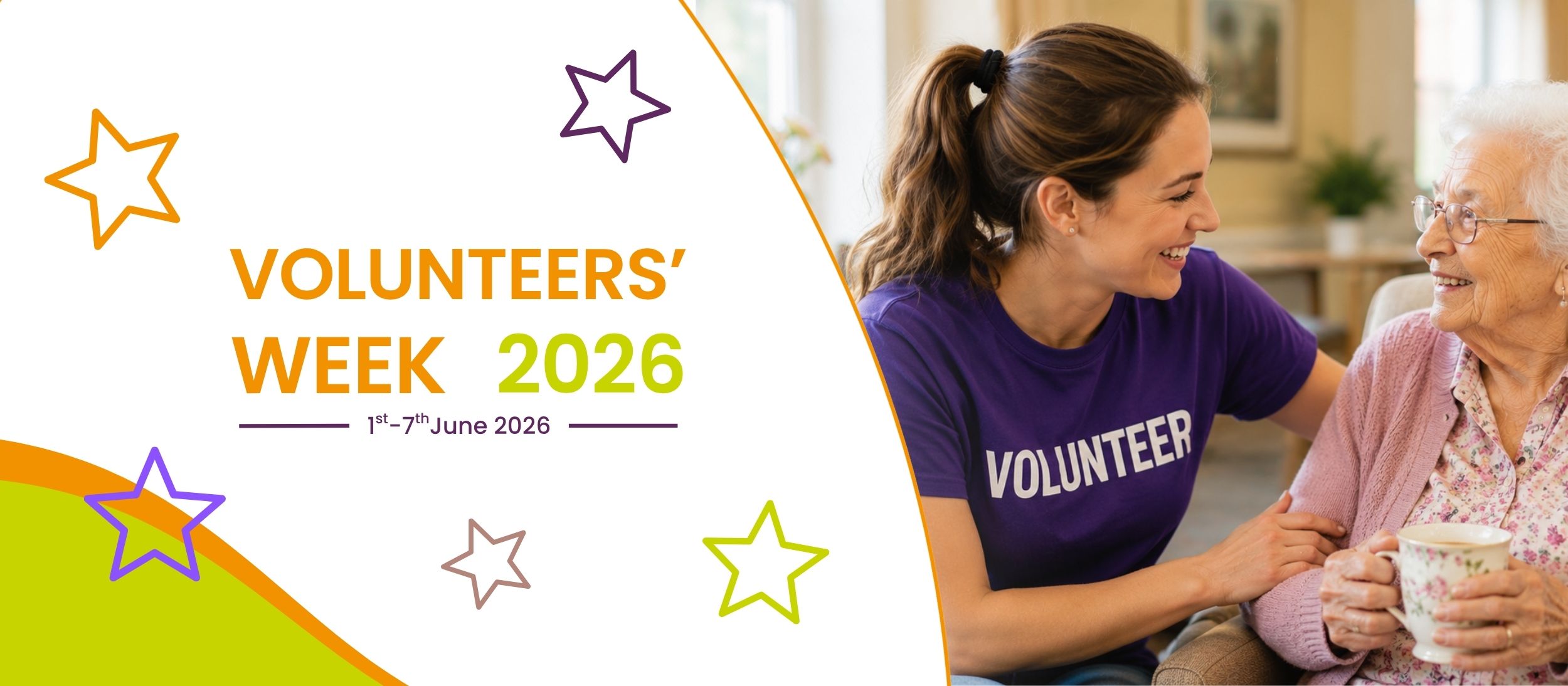
Volunteers in Care Homes Volunteers’ Week is an annual UK-wide campaign held from the first Monday in June to celebrate and recognise the contributions of volunteers. Launched in 1984, this initiative has been running for over 40 years, providing organisations and communities a platform to thank current and past volunteers for their invaluable efforts. Volunteers’ Week fosters connections between national organisations and grassroots groups, celebrating the spirit of volunteering that enriches communities each year.
The 2026 celebration will run from Monday 1st – Sunday 7th June.
Across the UK, thousands of volunteers are making a meaningful difference in care homes every single day. While professional carers provide essential medical and personal support, volunteers bring something equally valuable: companionship, community, and human connection. For many older people living in care homes, a friendly conversation, a shared laugh, or simply having someone listen can brighten an entire week. Volunteers help create those moments — often quietly, without recognition, but with enormous impact.
Why Volunteers Matter
Life in a care home can sometimes feel isolating, particularly for residents who have limited family visits or mobility challenges. Volunteers help bridge that emotional gap by offering time, attention, and companionship. They may:
1. Sit and chat with residents
2. Help organise activities and events
3. Read books or newspapers aloud Assist with gardening or arts and crafts
4. Support music sessions and games
5. Accompany residents on walks or outings
6. Help residents stay connected with their communities
These interactions are often simple, but their effects can be profound. Studies and care providers across the UK consistently highlight how social engagement can improve wellbeing, confidence, and emotional health among older adults.
The Human Connection
Volunteering in a care home is not only about helping others — it is about building relationships. Many volunteers describe forming close bonds with residents, learning from their life experiences, and gaining a deeper understanding of ageing and resilience. Older people in care homes have lived through wars, social change, technological revolutions, and decades of family and working life. Spending time with them can be both inspiring and deeply rewarding. A weekly visit can quickly become the highlight of someone’s routine. For residents living with dementia, familiar faces and regular social interaction can also provide comfort and reassurance.
Different Ways to Volunteer
One of the strengths of care home volunteering in the UK is its flexibility. People of all ages and backgrounds can get involved. Some volunteers commit to regular weekly visits, while others support occasional events or seasonal activities. Opportunities include:
Befriending Volunteers
Providing one-to-one companionship through conversation and social interaction.
Activity Support Volunteers
Helping staff run quizzes, exercise classes, crafts, music sessions, or celebrations.
Intergenerational Projects
Schools, nurseries and youth groups often partner with care homes to encourage connections between generations.
Specialist Volunteers
People with particular skills — such as musicians, gardeners, therapists, or pet owners with therapy animals — can offer unique experiences for residents.
Volunteering is also incredibly valuable for the people giving their time.
Many volunteers gain:
1. A sense of purpose and fulfilment
2. Improved communication and interpersonal skills
3. Experience for careers in healthcare or social care
4. Greater confidence and empathy
5. Strong community connections
For students and young professionals interested in nursing, medicine, or social care, volunteering can provide meaningful hands-on experience and insight into elderly care.
Retired volunteers also frequently find that volunteering helps them stay active, social, and engaged in their local communities.
Challenges Facing Care Homes
Despite the benefits, many care homes continue to face challenges in recruiting and retaining volunteers. Busy lifestyles, lack of awareness, and concerns following the COVID-19 pandemic have all affected volunteer numbers in recent years.
However, the pandemic also highlighted just how vital social connection is for care home residents. During lockdowns, many residents experienced extended periods of isolation from loved ones, reinforcing the importance of community involvement and emotional support.
As care homes continue rebuilding social programmes and community links, volunteers remain essential.
How to Get Involved
People interested in volunteering can contact local care homes directly or explore opportunities through organisations such as:
NHS Volunteer Responders - GoodSAM
Royal Voluntary Service - The UK National Volunteer Charity | Royal Voluntary Service
Volunteer Centre UK - Volunteering | NCVO
Most roles require basic safeguarding checks and introductory training to ensure residents are protected and supported appropriately.
A Small Act That Makes a Big Difference
Volunteers may not wear uniforms or receive salaries, but their contribution to UK care homes is immeasurable. Through conversation, kindness, and consistency, they help residents feel valued, remembered, and connected. In a society where loneliness among older people remains a growing concern, volunteering in a care home is one of the simplest and most powerful ways to make a genuine difference. Sometimes, giving just an hour of your time can change someone’s entire day.
Alongside strong community support from volunteers, effective digital care planning helps care teams deliver consistent, high-quality care. Learn more about Fusion's Care Planning software: Fusion Care Planning Software